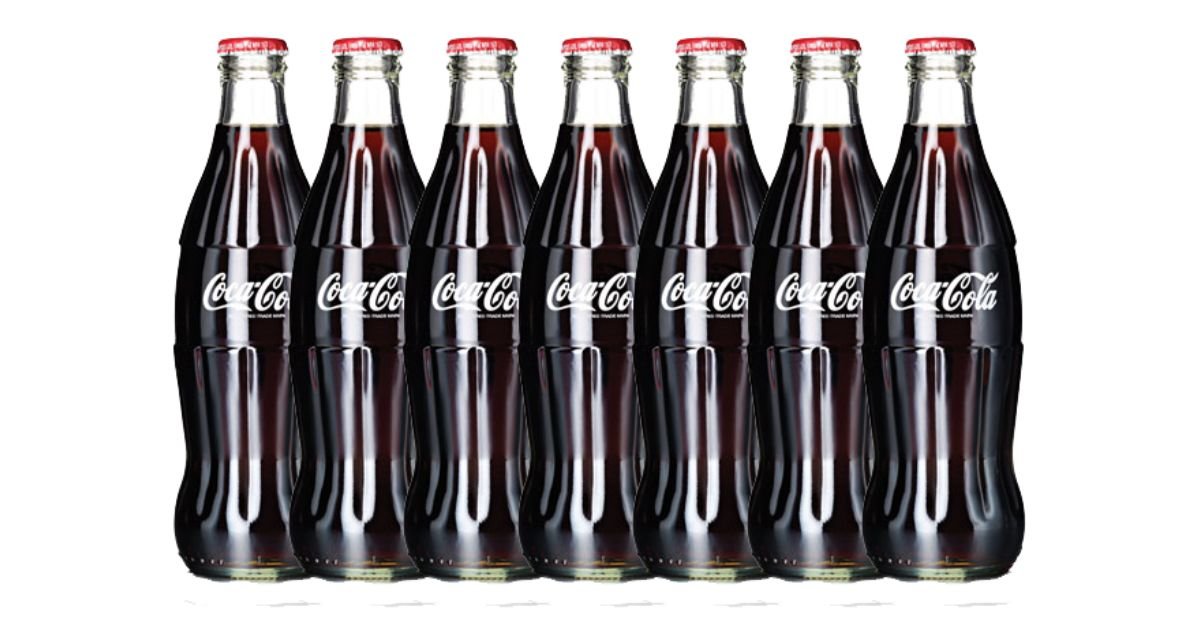
The FDA almost banned caffeinated soft drinks in 1980. But Coca-Cola and its rivals successfully argued that caffeine was merely a flavor enhancer – not a drug. The FDA agreed to allow caffeine in soft-drinks if it didn’t exceed .02 percent, or 71 mg per 12 fluid ounces. In addition, caffeine was not required to be listed as an ingredient.
But does caffeine really enhance the flavor of soft drinks?
In 2011, researchers suspected that caffeine was being added to beverages for other reasons. “The majority of people cannot taste the difference between caffeinated and non-caffeinated soda,” said the author of the study, Dr. Jennifer Temple. The team tested whether over time, teens would prefer caffeinated beverages over comparable non-caffeinated ones.
Teens repeatedly sampled various unfamiliar soda drinks and rated their likings of each. The sodas contained different amounts of caffeine. Over time, participants increased their liking of soda with the highest caffeine levels. But there was no change in preference for soda with low or no caffeine. Plus, the amount of caffeine made a difference: the more caffeine a soda contained, the more teens liked the beverage. Dr. Temple concluded that caffeine in sugary carbonated beverages teaches adolescents to prefer those beverages.
So caffeine may be the secret ingredient that brings people back to a product – again and again and again – but not because it enhances flavor, as soda companies claim.
This raises the question of whether caffeine is addictive, or at the very least, habit-forming – a topic to come in Chapter 8: Your Pattern: Habit, Safety, and Addiction.
Caffeine Basics: Table of Contents

I’m an author and journalist specializing in food and cooking. Caffeine Basics is my ninth book. I’ve written about the U.S. wine industry, international foods, shrinking your “cookprint,” and cooking with kids. Great Bar Food at Home was a James Beard Award finalist, and Cooking Green: Reducing Your Carbon Footprint in the Kitchen won a Green Book Award. Publishers include John Wiley & Sons, ClarksonPotter, Macmillan and others.