
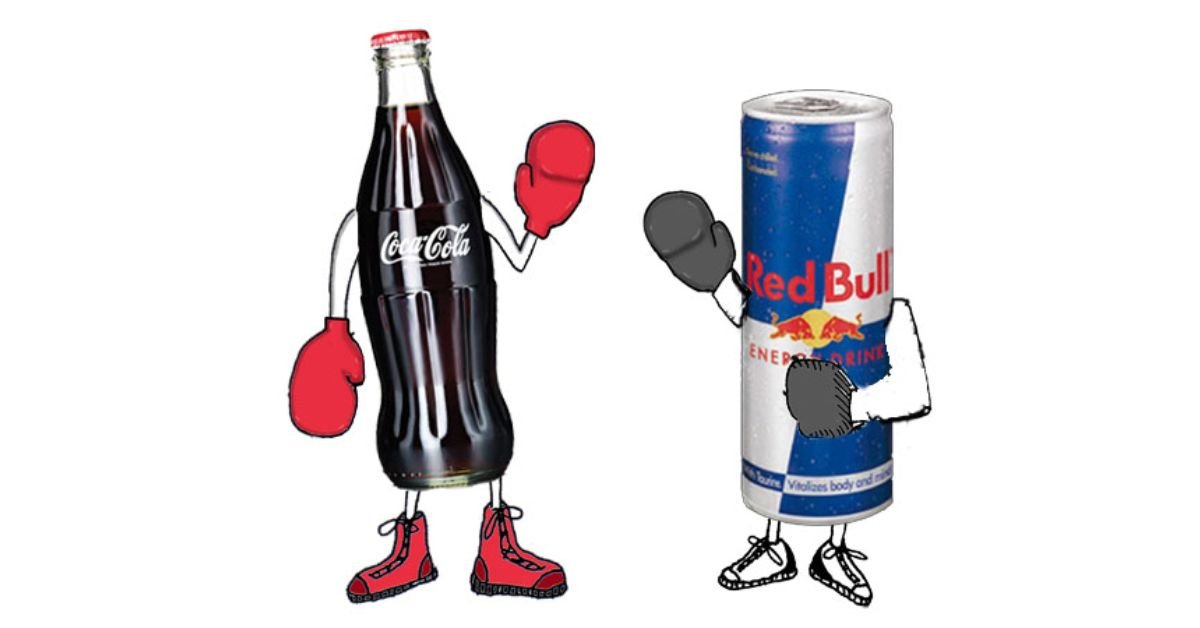
Grocers stock energy drinks and soft drinks in separate aisles because it’s easy for consumers to confuse the two: both are sweet, carbonated, and marketed to teens. But there’s a big difference in allowable caffeine levels, according to FDA rules…
Caffeine in soft drinks:
- 71 mg per 12 fluid ounces (upper limit)
- Caffeine does not have to be listed on the “Nutrition Panel”
Caffeine in energy drinks:
- Any amount the manufacturer considers safe
- Caffeine must appear on the “Supplement Facts” label, but specifying the quantity of caffeine is voluntary
Soft drinks are conventional foods, while energy drinks and shots are classified as dietary supplements. (Confused? Chapter 5 contains a section on FDA Regulations which details the differences.)
Caffeine Basics: Table of Contents

I’m an author and journalist specializing in food and cooking. Caffeine Basics is my ninth book. I’ve written about the U.S. wine industry, international foods, shrinking your “cookprint,” and cooking with kids. Great Bar Food at Home was a James Beard Award finalist, and Cooking Green: Reducing Your Carbon Footprint in the Kitchen won a Green Book Award. Publishers include John Wiley & Sons, ClarksonPotter, Macmillan and others.