
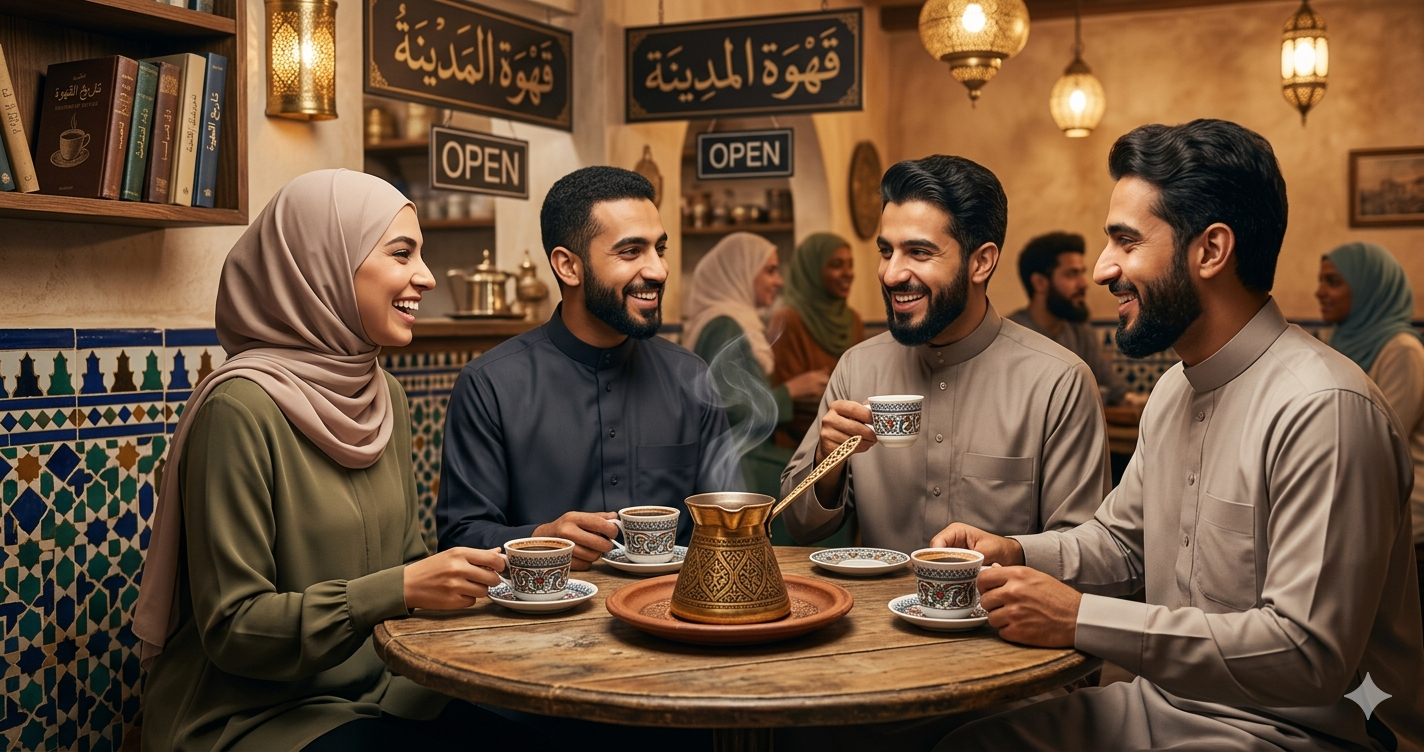
For many, the morning doesn’t truly begin until the first sip of coffee. But if you are exploring Islamic dietary laws or traveling to a Muslim-majority country, you might wonder: Do Muslims drink coffee?
The short answer is yes. Not only do Muslims drink coffee, but the history of the world’s most popular caffeinated beverage is deeply rooted in Islamic tradition and spirituality. Today, coffee is a central part of daily life and hospitality across the Muslim world.
Why Coffee Matters in the Islamic World
In the modern search landscape, understanding the “why” behind cultural practices is just as important as the “what.” In many Muslim cultures, coffee is more than just a caffeine kick; it is a symbol of generosity, community, and intellectual exchange.
- Social Connection: From the bustling coffeehouses of Istanbul to traditional gatherings in Riyadh, coffee serves as the “social glue” that brings people together.
- Hospitality: Serving coffee to a guest is a fundamental act of honor in Islamic etiquette (Adab).
- Spirituality: Historically, coffee was used to enhance focus during late-night acts of worship.
Is Coffee Halal (Permissible) in Islam?
Yes, coffee is considered Halal (permissible) by the vast majority of Islamic scholars.
Under Islamic jurisprudence, the default ruling for all food and drink is that they are permissible unless specifically forbidden by the Quran or the Hadith (the sayings of Prophet Muhammad). Since coffee does not contain alcohol and is not an intoxicant, it falls under the category of Halal.
The Difference Between a Stimulant and an Intoxicant
A common question arises: If Islam forbids alcohol because it alters the mind, why is caffeine allowed?
Islamic law distinguishes between intoxicants (khamr) and stimulants.
- Intoxicants: Substances like alcohol cloud the intellect, impair judgment, and lead to a loss of self-control. These are strictly forbidden.
- Stimulants: Caffeine is a stimulant. It increases alertness and clears the mind rather than “covering” it. Because it helps one remain focused and does not cause inebriation, it is viewed similarly to tea.
Expert Note: While coffee is permissible, the principle of moderation is vital in Islam. If an individual consumes so much caffeine that it causes physical harm or prevents them from fulfilling their religious duties (like sleeping enough to stay healthy), it may be considered discouraged (Makruh) on an individual basis.
The Fascinating Islamic History of Coffee
Believe it or not, coffee was often referred to by Europeans in the 17th century as the “Wine of Islam.”
1. The Sufi Monks of Yemen
The first recorded use of coffee as a beverage dates back to the 15th century in Yemen. Sufi monks discovered that brewing the red berries of the Coffea arabica plant helped them stay awake during Dhikr (remembrance of God) and night prayers (Tahajjud). For these worshippers, coffee was a spiritual tool to aid in devotion.
2. The Rise of the Coffeehouse
From Yemen, coffee spread to Mecca, Cairo, and eventually Istanbul. The world’s first coffeehouses, known as qahveh khaneh, appeared in the Ottoman Empire. These weren’t just places to drink; they were “Schools of Wisdom” where people discussed politics, poetry, and philosophy.
3. Early Controversies
Coffee wasn’t always accepted without a fight. In the 16th century, some conservative scholars in Mecca tried to ban it, fearing its stimulating effects or the “subversive” conversations happening in coffeehouses. However, these bans were quickly overturned by higher religious authorities who recognized coffee’s benefits and its lack of intoxicating properties.
Practical Tips for Coffee and the Muslim Lifestyle
If you are observing Islamic practices or hosting Muslim guests, here are a few practical things to keep in mind:
Coffee During Ramadan
During the month of Ramadan, Muslims fast from dawn until sunset.
- The Fast: No coffee (or any liquid) can be consumed during daylight hours.
- Suhoor: Many coffee lovers drink a cup during Suhoor (the pre-dawn meal) to prevent caffeine withdrawal headaches during the day.
- Iftar: It is very common to enjoy coffee after the evening meal to stay alert for the long evening prayers (Tarawih).
Check for Additives
While plain coffee is always Halal, some modern coffee drinks might contain non-Halal ingredients:
- Alcohol-based Syrups: Ensure flavorings do not use alcohol as a carrier.
- Specialty Toppings: Some marshmallows or creams may contain animal-based gelatin that isn’t Halal-certified.
Etiquette of Arabic Coffee (Gahwa)
In many Arab cultures, coffee is served in a specific way:
- The Right Hand: Always accept and drink your coffee with your right hand.
- The Pour: The host will continue to refill your small cup until you gently shake it from side to side, signaling you have had enough.
Conclusion: A Cup of Tradition
So, do Muslims drink coffee? Not only do they drink it, but the global coffee culture we enjoy today—from the local café to the late-night brew—owes its existence to the traditions and scholars of the Islamic world.
Whether it’s a dark, cardamom-scented Arabic coffee or a modern latte, coffee remains a beloved, permissible, and culturally significant beverage for nearly two billion Muslims worldwide. It stands as a bridge between the spiritual need for focus and the human desire for community.